In a country known for its cutting-edge innovation and deep-rooted traditions, Japan’s kissaten are experiencing a quiet renaissance. These old-school Japanese cafés—once a staple of post-war life—are finding new fans among younger generations seeking authenticity, nostalgia, and analog charm in an increasingly digital world.
Whether you’re a traveler looking for a hidden gem or a local searching for a slow coffee experience, kissaten offer a rich sensory journey that feels both timeless and timely.

What Is a Kissaten?
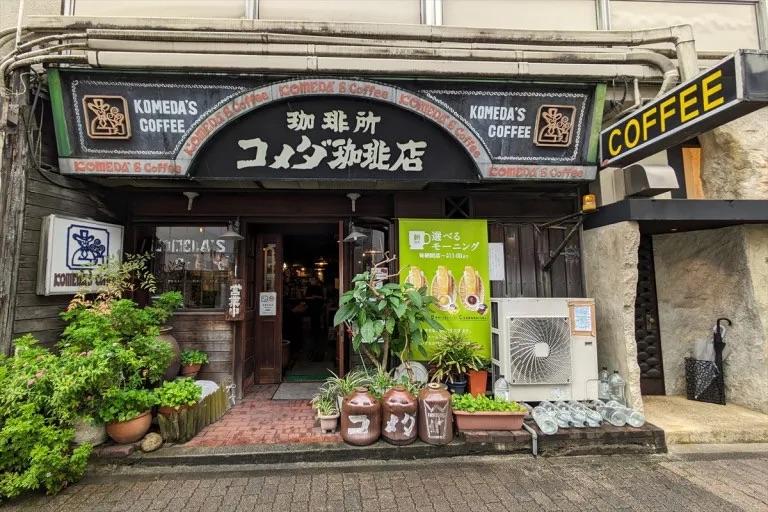
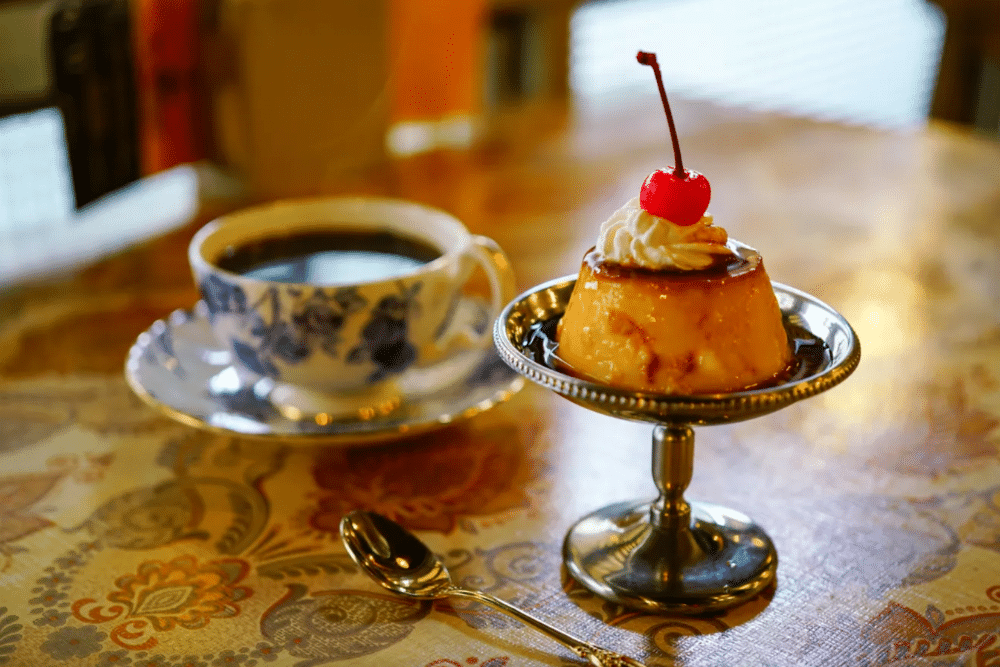
A kissaten (喫茶店), literally meaning “tea-drinking shop,” first emerged in Japan during the early 20th century. By the 1960s and ’70s, they had become ubiquitous urban fixtures—quiet sanctuaries offering strong hand-brewed coffee, thick toast, jazz records, and a moody, wood-paneled ambiance. More than cafés, kissaten were cultural spaces: places to read, smoke, write, or contemplate life.
Unlike modern chain coffee shops, kissaten often feel frozen in time. The staff may wear waistcoats or uniforms; the menu rarely changes; and the focus is on craft—coffee is brewed by hand, toast is buttered just so, and regulars are greeted by name.
Why Are Kissaten Trending Again?
In recent years, kissaten have experienced a resurgence across Japan, especially in cities like Tokyo, Kyoto, and Osaka. Here’s why:
1. A Desire for Slower, More Meaningful Moments
In an era dominated by speed, screens, and AI-generated everything, kissaten offer a human touch. Patrons come not just for coffee, but for a feeling—a slower pace, intimate interiors, analog music, and the smell of ground beans. These spaces promote mindfulness, an increasing priority among young professionals and creatives.
2. Nostalgia and Retro Aesthetics
Millennials and Gen Z travelers are drawn to vintage culture, from vinyl records to Showa-era interiors. Kissaten are a slice of old Japan that feels authentic and Instagram-worthy. Places like Tokyo’s Café de L’Ambre or Kyoto’s Smart Coffee are now cult favorites among local influencers and international visitors alike.
3. Craft Coffee Meets Old-World Hospitality
With the global rise of third-wave coffee culture, there’s a renewed appreciation for hand-brewed methods like siphon and pour-over—techniques long practiced by kissaten masters. Many young baristas are now apprenticing under these older café owners, blending precision brewing with nostalgic flair.
Must-Visit Kissaten in Japan
If you’re planning to visit Japan—or even live here—here are some legendary kissaten to add to your list:
- Café de L’Ambre (Tokyo) – A Shimbashi institution known for its aged coffee beans and no-frills perfectionism.
- Benisica (Osaka) – Famous for its charcoal-roasted coffee and dimly lit, vintage interior.
- Smart Coffee (Kyoto) – Beloved for its fluffy toast and classic kissaten breakfast sets.
- Satei Hato (Tokyo) – An upscale kissaten with velvet chairs, jazz vinyls, and old-world service.
How to Enjoy a Kissaten Like a Local
- Order a Blend Coffee: Most kissaten offer a “house blend” with a deep roast and strong flavor. It’s their signature.
- Try the Morning Set: For around ¥500–¥700, enjoy a set with toast, a boiled egg, and coffee. It’s a classic.
- Take Your Time: Kissaten are not grab-and-go spots. Linger, people-watch, or bring a book.
- Respect the Atmosphere: Keep phone use discreet and embrace the low-noise, high-respect environment.
Kissaten vs Modern Cafés
| Feature | Kissaten | Modern Café |
|---|---|---|
| Ambience | Retro, moody, analog | Bright, minimal, digital |
| Menu | Simple: coffee, toast, cake | Expansive: lattes, matcha, brunch |
| Brewing | Hand-brewed, siphon, pour-over | Often automated or espresso-based |
| Music | Jazz, classical, Showa pop | Lo-fi, pop, curated playlists |
| Vibe | Reflective, nostalgic | Social, fast-paced |
Final Thoughts: The Kissaten Revival Is About More Than Coffee
The revival of kissaten isn’t just about coffee—it’s about culture. In the push for innovation, Japan never truly left its past behind; it simply waited for the world to catch up. And now, as travelers and locals alike rediscover the joys of analog experiences, these quiet cafés are once again becoming cultural beacons.
So next time you’re in Japan, skip the chain café and slip into a kissaten. You’ll leave with more than a caffeine buzz—you’ll take away a memory steeped in time.